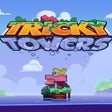
Tricky Towers: physics-driven wizard tower stacking for party play
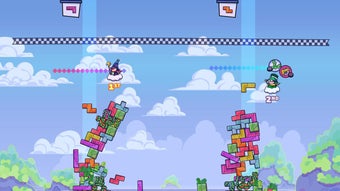
Tricky Towers, from WeirdBeard, drops players into frantic wizard duels where the goal is to build the steadiest tower under shifting conditions. The game pairs real-time physics with timed placement, forcing choices about balance and placement under pressure. Matches favor short, engaging encounters that reward spatial thinking and rapid adaptation. Designed for puzzle fans and party groups, it emphasizes competitive, session-based play over long-form solo campaigns.
What kind of game is Tricky Towers?
The game blends puzzle design with physics simulation by asking players to stack blocks under gravity rather than clear lines. It uses tetromino-shaped pieces, but, unlike traditional falling-block games, rows do not disappear; stability and balance determine success. This changes the core loop from line-clearing to tower maintenance, shifting player focus from speed-only placement to structural planning and mid-match correction.
Does it have a multiplayer mode?
Multiplayer is central: the title supports local and online play for two to four players and offers distinct competitive objectives. Match types include:
- Race: be first to reach a target height;
- Survival: place a set number of bricks while avoiding too many falls;
- Puzzle: fit bricks under a fixed height with precision.
Players can cast more than 17 light and dark spells to strengthen their structures or sabotage opponents, while environmental factors like wind and rain alter block physics mid-match.
What does the presentation aim for?
The presentation pairs a charming, wizard-themed aesthetic with a selection of playable characters, giving matches a whimsical tone. The developer emphasises a polished party-game rhythm, which shows in concise match pacing and clear visual feedback. Menus and match screens prioritise fast setup for head-to-head sessions, keeping the focus on immediate contest rather than deep configuration or long setup times.
Is it hard to get started?
Controls and basic rules are accessible, matching the developer's intention for broad appeal, yet the game retains a noticeable skill ceiling because physics management demands precise timing and placement. Single-player content includes 50 trials plus an endless leaderboard mode that teach and test techniques; these provide progression for practice, though mastery requires repeated play and attention to balance mechanics.
In summary, a social puzzle built for competitive sessions
In summary, Tricky Towers is a lively choice for players who prefer short, competitive sessions among friends rather than long solo campaigns. Its design rewards repeat head-to-head play and skillful tower management. One important consideration: single-player content is less substantial than the multiplayer offerings, so solo-focused players seeking extended narrative or campaign depth may find the package limited.